The Echo of a Noise
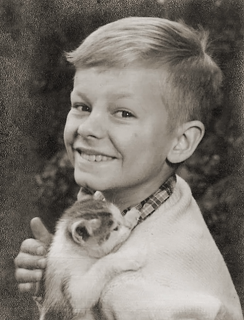
Pieter-Dirk Uys is back in Melville for new show at Montecasino
His latest one-man show is breathtaking in its brilliance as audiences are transported to times gone by through vivid storytelling by a master of his craft.
– Emily Wellman Bain, Northcliff Melville Times, 11 May 2023
Pieter-Dirk Uys is a beloved, incredibly amusing, and politically astute actor known across the length and breadth of South Africa.
He is currently back in his old stomping ground, Melville, while he performs his latest show, The Echo of a Noise, at Montecasino.
Uys delivers an astonishing 90-minute performance on an empty stage with only a chair and spotlight on the otherwise pitch-black stage.
The play follows his extraordinary life as a young boy influenced first by his father Hannes and mother Helga Bassel, and later a myriad of others who would shape him into the comic genius he would become.
As the play unfolds, the audience is transported to times gone by through laughter, pause, and reflection as he reveals in exquisite detail his memoirs.
Uys used his talents from the moment he stepped onto the stage in the 70s to critique and expose the ‘obscene and absurd’ laws of Apartheid.
“As with so many of his performances, he takes his audiences into his confidence, breaks the rules, and crosses boundaries,” says Bridget van Oerle of The BUZ Factor.
He travelled to Melville from the Cape in 1978 in an old blue Volkswagen with his worldly belongings to perform at the newly opened Market Theatre.
“My great friend and fellow actor Rika Sennett let me rent a room in her home for R70 a month on 10th Avenue.”
He would later buy a home on Fifth Avenue which he only sold in 1996.
He moved permanently back to the Cape after his father, ‘Pa’ died in 1989. “From that moment, Melville has always been my home away from home in Johannesburg.”
“I now live in a gorgeous small town in the Cape called Darling, darling.”
He was last in Johannesburg in 2019, before the lockdown, and reflected on the Melville he sees today.
“Seventh Street looks like a movie set that has not been used in years. It is still absolutely wonderful and I know it will bounce back as the world recovers from the devastation of the pandemic and how it decimated economies.”
“I treasure Melville and it has always had ups and downs. I hope people realise though ahead of the elections next year that communities are the jewel in the crown of democracy. We must fight for what we want, and for what is good, and hold those in power accountable. Whomever you vote for.”
His website www.pdu.co.za has free access to all of his one-man scrips for use by drama students or others who wish to enjoy them.
Echo of a noise runs at the Pieter Toerien, Montecasino Main Theatre until May 14.
Theatre Review: The Echo Of A Noise — A Father Figures, Or A Memoirable Monologue
The Echo Of A Noise / Starring Pieter-Dirk Uys / Pieter Toerien’s Montecasino Theatre, Fourways, Johannesburg
– Bruce Dennill, participate, 1 May 2023
Before Pieter-Dirk Uys comes on stage, there is nothing more than a black chair — not even a microphone on a stand, which naturally presages some sort of performance — on the stage of the Pieter Toerien Theatre. It’s confirmation of the sort of show The Echo Of A Noise is, where distractions are, and should be, non-existent, allowing complete audience focus on Uys as he sits in that chair and simply tells a story — some of the details and recollections of a full and fascinating life, edited to create a clear narrative that, though concise (the running time see Uys use just over a minute of talking per year of his age) contains enough colour and wit and depth to engage throughout.
Wearing a tracksuit top bearing the words ‘Almost famous’, Uys, all in black — including a beanie — couldn’t really present a less glamorous image, particularly for a man whose main alter ego is as outrageous as Evita Bezuidenhout (hardly mentioned here because, frankly, it’s not her story). He speaks clearly but calmly, adding nuance and shade via inflections and facial expressions, choosing volubility over volume. And the bulk of the subject matter is thought-provoking — how Uys’ family life, and particularly his relationship with his father — shaped his development as a man and as an artist — rather than steeped in creativity or imagination.
But none of this restraint takes any of the power away from Uys’ story. Rather, it intensifies the intimacy between performer and audience. This dynamic intensifies as the piece proceeds. Uys is enjoyable to listen to to start with. Then it becomes possible to discern the greater import of what earlier might have seemed like simple elements of an anecdote. And later still, it’s difficult to not be moved on a number of levels as the scope of Uys’ experiences — including being a favourite of both Italian film idol Sofia Loren and the rather less glamorous South African censor board, and for saying more or less the same thing — and to sense (even if you’re not completely able to make the links) connections between his extraordinary existence and your own possibly more mundane tale.
Technically, Uys was faced (during the performance under review), with the sustained distraction of a violent storm, the noise of which defeated the theatre’s soundproofing. But it was a challenge he overcame with both his customary grace and the benefit of his long experience, allowing the audience the benefit of an unbroken flow during his long, layered monologue.
This show was first staged seven years ago and this new version still deals with the same events covered then — it is a memoir with specific focal points after all — but Uys himself continues to change, and to see how he imbues each new production with the insight and sensitivity gained since the previous one adds another level of warmth and wistfulness to proceedings.
Lessons in laughter at devils
– Robyn Sassen, My View, 1 May 2023
AS YOU PUT your hands together in salute of this theatre work, and shift yourself to stand in loyal ovation, you are celebrating and honouring not only this particular theatre work, but the treasure that Pieter-Dirk Uys is to this country. It’s a feeling that floods through the veins of The Echo of a Noise, a new iteration of a work by the same name, performed at Montecasino six years ago. It’s on the boards at the same theatre, until 7 May.
Unapologetically autobiographical, the work runs from Uys’s heart and mind and through your sensibilities like quicksilver, taking the extraordinary self-made career of a political jester from his early days of being a boy soprano in short pants all the way through a lifetime of making audiences laugh at the things that terrify them the most. For the time being, his alter-egos of the ilk of Evita Bezuidenhout or her sister Bambi Kellerman, to name a few, are closeted and referenced with but one pair of lipsticked lips.
Like the 2017 version of this work, this production offers a slice of Uys’s life, rich and textured, with snapshots of everything from Swedish actress Ingrid Bergman and English film director Alfred Hitchcock to the co-founder of Cape Town’s Space Theatre Brian Astbury and Yvonne Bryceland; from candid accounts of losses that he will never recover from and victories that formed the fabric of his being. Like many comedians on stage, Uys has a unique understanding of the mechanisms that make laughter happen. It’s an understanding peppered with the wisdom that the years have brought, but also one generously seasoned with what makes tears happen.
It’s largely a sober — and sobering — understanding of life, the universe and everything from the Uys family roots in the 1940s at 10 Homestead Drive in Pinetown, Cape Town and one which touches liberally yet gently on the universals that make you, as an individual, tick. The magic of imagination; the incredulity of great loss; the disbelief of social injustice; and the fiery thrill of making a difference to a world broken by the egos of others.
Woven together with an understanding and reflection of sound — from the happy familiarity of works by Chopin and Scarlatti under the fingers of his mother Helga, at different times of the day, to the scoldings, advice and vocal acceptance of his idiosyncrasies and dreams by his father, Hannes, or the call of his adored Sophia Loren from the cobbled streets of Rome, or the comments of his cat, Eschel, it’s a tale rich in so many echoes and shadows, ghosts and dreams that the work’s 90 minutes slips by in an instant.
It’s a beautiful work. One which pays tribute to Uys’s writing skills as much as to his performance acumen. The urgency to see it is tightened by a week. But see it, you must. And bring tissues.
• The Echo of a Noise is written, directed and performed by Pieter-Dirk Uys. It performs until May 7 at the Pieter Toerien Theatre, Montecasino complex in Fourways. From 24 August to 10 September, Uys performs his work Sell-by Date, at Theatre on the Bay, in Cape Town.
In The Echo of a Noise, master story teller, political satirist Pieter Dirk-Uys bares all about his life and that of his family
The drama about the life and times of the satirist plays out on the stages of Pieter Torien Theatre, Montecasino April 21-14 May, 2023
– Edward Tsumele, CITYLIFE/ARTS, 28 April 2023
The jewel and crown of making sure that democracy survives challenges, and even thrives in the long term is active and ever watchful communities, and and politicians and their politics, asserts master story teller and political satirist Pieter-Dirk Uys in a wide ranging interview with CITYLIFE/ARTS held at his favourite coffee shop in Melville. In fact whenever he is in the City of Gold, as Johannesburg is sometimes called, and is giving interviews to the media, he prefers Café Dela Crème Cafe. I interviewed him in the same cafe about six years ago, when he was here with another show. The previous day, I had also seen him being interviewed by another journalist at the same place.
“This is our office,” he joked. Uys’s comment about politics was in answer to the question I had asked him about his opinion on the current political condition on in the country, where uncertainty seems to have replaced hope and certainty that prevailed a in 1994 and the first half of our democracy. The interview was also in the context of his current production that is enthralling theatre fans at Pieter Torien Fourways.
To qualify his views, he said: : “Look at the circus and chaos that are going on in Gauteng local government councils for instance.” He is of course referring to the instability in Gauteng’s major municipalities of the City of Johannesburg, Ekurhuleni and Tshwane were squabbling coalition political partners keep on changing leadership such as Speakers of Council and Mayors in the same way that underwear is changed, sorry the pan. This is as service delivery suffers such as gaping potholes that have now become impossible to notice on our roads even to those walking on foot.
However Uys is no politician, but a satirist whose career as a playwright is pretty much tied to the political developments in the country, dating back to the apartheid years, as far back as the 70s, 80s and post-apartheid South Africa.
His plays and productions continue to be spot on when it comes to creating satire on current politics on stage and on TV, Uys is simply one of a kind, whose mind is sharp, pen even sharper, and thinking in terms of capturing the political moment insightful, threatening even, to the political elite sometimes.
Through the characters he creates such as Evita Bezuidenhout and Bambi Kellermann — not to mention his spoofs of apartheid’s rogues’ gallery and his HIV/Aids awareness work — have earned him a place in South African theatre history as one of the nation’s foremost satirists and theatre activists. He gives his characters life on stage. In the process he manages to offend and entertain the audience at the same time, a formula that works magic as his shows are almost always packed as audiences laugh and get angry within the same breath.
He shared with CITYLIFE/ARTS his working formula. “In all my shows, I make sure that they 49 percent offend and 51 percent entertain. The trick is to offend without demeaning,” he explained.
Asked about his creative process, Pieter said. “For me what works is that I normally wake up at 2am to write with a glass of wine. I write about anything that comes into my head. But then the following day when I am sober I look at what I have written. Well a lot of it is not something I can use. However there will always be that one brilliant line that I then develop further to come up with useful material for a script,” he said.
Based in Darling, a town one hour drive from Cape Town, at his home, he has built a theatre from a decommissioned railway station that he uses as a laboratory for his productions.
“I am very much involved with the community of around 30 000 people. What I do is that during the development of a production, I invite community members to come over and watch the production, after which I ask them to send me comments. They will tell you a lot of things that you need to do to improve the show. I do that before I take it to the audience outside this community. They will ways give you good feedback,” Uys explained.
Uys has over the years successfully managed to capture and keep the imagination of especially theatre audiences through various alter egos he created, most prominent of whom is Evita Bezuidenhout, an Afrikaaner woman, who has undergone political metamorphosis over the years.. During the apartheid years, she was a member of the then ruling National Party. But in post-apartheid South Africa, she became a member of the ruling African National Congress. If you think this is impossible, just think about this: Haven’t some of the National Party members joined the African National Congress in post-Apartheid South Africa anyway?
This character has outlived many a politician since she was birthed by Uys in 1981 with her debut at the Market Theatre.
“The production was supposed to be a short once off show. I remember being interviewed by a journalist from Raport about the character who asked me what was Evita’s surname. I did not know at the time. But then I quickly noticed a poster of Aletta Bezuidenhout on the wall. I quickly answered Bezuidenhout.
Well, when Uys created the character, he may not have forgotten to give her a surname, but Evita has since given many an audience member some laughs and anger, many a politician sleepless nights and certainly many an ordinary person food for thought, especially when it comes to the creature we call politics and its complexity.
Currently his 2015 production, Echoes of a Noise, a memoir about his life and times, which debuted at the Grahamstown National Arts Festival , where it was meant to be a once off show, but subsequently became a sensation, is making audiences laugh at the Peter Torien Theatre at Montecasino till May 14,
This one is about Uys’s life and sees him play out his life and that of his family, father and mother included, while he is seated on a stool, remarkably sustaining an engaging and entertaining narrative for 90 minutes as a one man show. He bares it all about his life on stage. But as always, the personal also becomes political as he digs the archives of his family, in some cases bringing out hidden truths.
“For instance I never knew that my mother was a Jewish woman from Berlin, who came to South Africa in 1936, a few years before the World War. I only came to know about this after her death after she committed suicide in 1969. I was 18. All along I had thought I was an Afrikaaner as my father is an Afrikaaner. The information was delivered to me by an uncle (a relative to DF Malan). But for some reason I had always been close to Jewish friends. In fact I laugh about it now and call myself an Afrikaaner Jew.”
Uys told me that he suspects that his parents kept his Jewish heritage under hush hush at the time because there was some suspicion, even animosity between Jews and Afrikaners at the time.
Encounter Pieter-Dirk Uys stripped down and as never before: a man and a satirist shaped by his upbringing, environment and choices — and by the pivotal and sometimes tragic life events that forged him in fire.
There is much humour in these recollections, too, as Uys holds the audience spellbound with this powerful monologue — confirming once again why he remains one of South Africa’s most engaging raconteurs.
Book your seat now for a personal audience with Pieter-Dirk Uys — don’t miss The Echo of a Noise. Performances are on Fridays at 8pm, Saturdays at 4pm and 8pm, and Sundays at 3pm. Book at Webtickets or contact Geraldine at (011) 511-1988 or geraldine@montetheatre.co.za for discounted school bookings.
Theatre Interview: Pieter-Dirk Uys — All The Right Noises, Or Of Stories And Sofia
Pieter-Dirk Uys stars in a new production of his one-man play, The Echo Of A Noise, at Pieter Toerien’s Montecasino Theatre.
– Bruce Dennill, participate, 27 April 2023
The Echo Of A Noise is a stage memoir, so you’re presenting yourself. But is it you as a character; not the you people might meet in a coffee shop or see in the foyer after the show?
I had to create a character who was also called Pieter-Dirk Uys. In my early shows, I very rarely had a personal opinion. If I had something to say, I had to give the character the courage to say it.
In that headspace, is it necessary to prepare, before a performance, as you would if you were playing a more conventional character?
Yes, absolutely. It’s very structured. I painted myself into a corner in terms of what I allow myself to say and if I divert from that, we’ll probably never get to the end of the show! The other night, there was loadshedding in the middle of the show, and I find that when that sort of thing happens, I have to remind myself where I am in the story so that I’m able to keep the thread going when the power comes back.
So yes, I have to prepare every time — it’s not just going on. I’m communicating something structured, so there’s a huge amount of editing. This show started in 2015, but what I’m doing with it now has little in common with that first version — that was pure adrenaline. Now, it’s far richer than it was four or five years ago. The audience has changed completely, thanks to Covid. The country we’re in now is so different — we couldn’t have dreamed of this.
Many people have seen you in several shows — and perhaps in more than one version of The Echo Of A Noise. Do you find that there are expectations of what and who you are that can become burdensome?
If I think about those sort of expectations, I can’t deliver. That nudge-nudge kind of “Hey, maybe he’ll do that thing” chatter derails things.
There is some politics in this show, but it’s not a central theme. How does that change the tone relative to some of your more satirical work?
There are political colours there, but it’s more about our reactions in this case. The success of the piece is that it’s so much about family. Even people with no shared background can relate incredibly strongly. This one is more personal and honest — with all the odd details. I mean, I only found out my mother was Jewish after she died! Imagine that!
Tell me about your friendship with Sofia Loren — an extraordinary connection that could not have happened in a different time. Why was she, specifically, initially such a standout for you?
I have no idea — it could have been Debbie Reynolds, I guess, but it wasn’t. The most specific moment was when my mother died. The only person I could talk to was gone. So I found Sofia’s address in Rome and I knew what her apartment looked like — I had seen her leaning out of her window in something on TV. When I went to Europe for the first time, I left a letter for her there and we became pen friends. Her input after my mom’s suicide changed my life.
She’s given me such good advice. I was going to go into politics at one point, to stand against Pik Botha in Westdene. That would have put a bunch of people I worked with in a difficult position, though. When I talked to her about it, she said, “Go back to the theatre, where you are strong. You will be unique there. You will never be unique in politics.”
Are you still in touch?
Yes — once a week, at least. Nowadays, we mostly send each other cat and dog memes on WhatsApp!
Have you ever been tempted to satirise her in-laws [Loren’s younger sister married Benito Mussolini’s youngest son]?
No, never. I have already taken enough for her for Evita Bezuidenhout. I loved Sofia’s make-up, and she caught me looking closely at it once, so she showed me how to do it, and I use those lessons to this day.
With your home and theatre at Evita se Perron in Darling and all of its many facets, plus your Aids activism, plus the thousand other things you’re involved in, where does theatre work — outside of Darling — now sit in your schedule?
My usual turnover involved planning two years ahead — and then Covid. Over the course of a single weekend, I had to cancel 230 performances and close the Perron. I even had to get a permit so I could feed the cats around the building, because we weren’t allowed to go outside at the time.
Spending all that time at home, I found that I had 40 years’ worth of costumes in my cupboards and, six weeks into Covid, I had no way of knowing if or how I was going to be able to use them again. I found an old grey wig, which got me thinking about Evita. By the end of the pandemic, she wouldn’t have been able to go the hairdresser for two years! That was the first optimistic, creative thought I had in that time.
That helped me get going. I have all my plays on my website, though I never included my reviews, as I thought those were all a sort of shorthand for the time in which they were written. But while typing up the plays, I realised I had said some things when I wrote and performed them that could make people — even me — feel uncomfortable now. I realised I had to write up a backstory for each play to help people understand the context they were created in. Then I realised I needed to write up a backstory for apartheid, as many people who didn’t live through it can’t understand what it was like.
I started doing that, and ended up with 400 pages, which my partner Brent and I published on our imprint Missing Ink. The book is available on my website for free and I’ve had wonderful reactions from all over the world. Kids are doing sketches out of it, asking questions — “Who’s Winnie Mandela?” — and finding out about history as they go.
But I work on theatre every day. There are challenges to meet. Youngsters, for instance, only tend to focus on what is happening now.
I’m different, too. My tolerance of madness has changed. The disease to please is cured. I don’t have to explain or apologise for anything — and that’s liberated me completely.
Master storyteller Uys returns to Joburg for a limited season with his tender memoir — The Echo of a Noise
– CityLife Arts, 13 April 2023
Witty, engaging and deeply personal, Pieter-Dirk Uys’s “one-man memoir” The Echo of a Noise returns to Pieter Toerien’s Montecasino Theatre from 21 April to 14 May 2023, tracing the journey of how one of South Africa’s national theatre treasures learned to use humour as a “weapon of mass distraction”.
Uys has been entertaining and scandalising audiences since the 1970s, and his characters such as Evita Bezuidenhout and Bambi Kellermann — not to mention his spoofs of apartheid’s rogues’ gallery and his HIV/Aids awareness work — have earned him a place in South African theatre history as one of the nation’s foremost satirists and theatre activists.
Now, in The Echo of a Noise, it’s Uys unpowdered, uncostumed and virtually unplugged — stripped down to a barstool, a beanie and a casual black ensemble but armed with a lifetime of entertaining and often poignant anecdotes about the influences that shaped him and his art.
The show has been staged to much acclaim, laughter and tears since 2016, and now it returns to Johannesburg to enchant audiences anew. No performance is the same, as this master storyteller feeds off each audience’s energy as he strolls through his pageant of memories with its colourful cast of characters.
Meet his father Hannes Uys, his mother Helga Bassel, his grandmothers, his teachers, his passions: Sophia Loren, censorship, false eyelashes and making a noise — a loud, audacious, bitingly funny noise — when everyone demanded silence.
Encounter Pieter-Dirk Uys stripped down and as never before: a man and a satirist shaped by his upbringing, environment and choices — and by the pivotal and sometimes tragic life events that forged him in fire.
There is much humour in these recollections, too, as Uys holds the audience spellbound with this powerful monologue — confirming once again why he remains one of South Africa’s most engaging raconteurs.
Book your seat now for a personal audience with Pieter-Dirk Uys — don’t miss The Echo of a Noise. Performances are on Fridays at 8pm, Saturdays at 4pm and 8pm, and Sundays at 3pm. Book at Webtickets or contact Geraldine at (011) 511-1988 or geraldine@montetheatre.co.za for discounted school bookings.
Pieter-Dirk Uys Returns With His Acclaimed One-man Memoir THE ECHO OF A NOISE
Performances run from 21 April to 14 May.
– Stephi Wild, Broadway World, 4 April 2023
Pieter-Dirk Uys will make his first trip to Johannesburg since before the lockdown. He will be performing his stunning one-man memoir — THE ECHO OF A NOISE — on the Pieter Toerien Theatre Stage at Montecasino, from 21 April to 14 May.
The Echo of a Noise took everyone by surprise. After its first sold-out season at the Theatre on the Bay in 2016, the performer/writer has told his story to captivated audiences throughout South Africa. Now he will bring the experience back to the Montecasino Theatre. Having performed alone on the stages of the world for well over seven thousand times, Pieter-Dirk Uys has learnt that every show is the first and the last performance – because each audience demands and gets a different energy, topicality and excitement. Now in his 77th year, he doesn’t glance back at the successes and failures that have strengthened his belief in a constant improvement of his work, but at those small signposts that throughout his life subconsciously have pointed him in a right and original direction — his father Hannes Uys, his mother Helga Bassel, his grandmothers, his teachers, his passions: Sophia Loren, censorship, false eyelashes and making a noise when everyone demanded silence.
South Africa’s foremost satirist sits on a barstool, wearing his black beanie and his Almost Famous sweatshirt, and with his impish smile, he even looks like a naughty goblin trapped by the spotlight. Within minutes he fills the auditorium with his presence. This is just Pieter-Dirk Uys speaking and he opens his heart and talks about his private and public life. The big hair and silky repartee of Evita Bezuidenhout or the smoky drone of the sexy Bambi Kellermann have been stored elsewhere for some other time. It soon becomes clear that the title of his autobiographical one-man memoir, The Echo of a Noise, doesn’t really do justice to what he presents here. He leads you into his inner sanctuary, takes you through our history and shows where what is public and private meet.
Uys was and still is a voice in the wilderness, ever since he first appeared fearlessly on a stage in the 1970’s. He jokes that the all-powerful censor board was his own personal public relations department. We hear the recording of the voice of little Pietertjie Uys singing like an angel and accompanied on the piano by his father, Hannes Uys, whom he would accompany on Sundays to the church where ‘Pa’ was organist – the father whom he loved, but didn’t like very much; the sternest critic of his work and yet the one who could also give good advice. He tells of his father’s last moments, being with him as he died and then going back to the family home where Sannie, the housekeeper and his ‘Cape Flats mother’, asked if there wasn’t any washing from ‘Pa’. The audience is spellbound as he shares the suicide of his German mother, Helga, as well as the influences on him of his Afrikaans and German grandmothers. It’s as if Uys constantly takes his audience into his confidence and so breaks all the rules and crosses boundaries. He remains a master storyteller who can make as much fun of himself as he does with the others who get a lashing from his sharp tongue. This is arguably beyond the 7000th solo performance and yet it feels as fresh as his very first.
*** South African satirist relives his apartheid clashes
– Brian Logan, The Guardian, 5 June 2018
Part memoir, part nostalgia trip for white South Africans, Pieter-Dirk Uys’s new monologue is a world away from the arch satirical turns with which he made his — or rather, his alter ego Evita Bezuidenhout’s — name. There are no frills, just Uys in black, on a stool, narrating his life story from 1940s Cape Town via a London education and back to a career mocking the apartheid regime in theatre and drag. It’s performed in a low-key style, but Uys is a capable raconteur with an eventful story that shines a light on social and political history across two continents.
It will be most enjoyed by expat Afrikaners: several of the punchlines are in Uys’s native tongue; dewy-eyed memories of Springbok Radio elicit gurgles of recognition from compatriots in the crowd. You start to wonder whether these reminiscences of a sheltered white upbringing at 10 Homestead Way, Pinelands, are a bit too fond, as Uys recalls endless classical music recitals and sings paeans to his heroic Malay maid. But the childhood innocence — and ignorance — are soon punctured, and the second half recounts the actor and writer’s clashes with authority as, in situ at the radical Space theatre in Cape Town, he flouts one apartheid law after another.
At points, particularly as the monologue extends deep into its second hour, one craves dramatic structure, or some sense of where this monologue is going. Finally, its heroes — besides Uys himself — are his beloved mother, an exiled German-Jewish pianist, and his charismatic but disciplinarian Afrikaner dad. The former’s suicide gives the show its most heartfelt moments. A long-distance friendship with Sophia Loren provides a rather improbable subplot.
Uys ends his tale in 1994, when South Africa, blazing with hope, holds its first democratic election. A rueful aside acknowledges that those hopes have not been fulfilled. But recent history is not Uys’s territory here. Titled The Echo of a Noise, the show offers a privileged but engaged perspective on apartheid’s near half-century, from a performer who learned early to laugh at his own fears, and is still doing so.
• At Soho theatre, London, until 16 June. Box office: 020-7478 0100.
Live Review: Pieter-Dirk Uys, Soho Theatre, W1
– Bruce Dessau, Evening Standard, 14 June 2018
South African Pieter-Dirk Uys has become a regular visitor to the UK over the years, but he usually comes in disguise. If he isn’t dressed as his monstrous creation Evita Bezuidenhout he is doing a pin-sharp impersonation of Desmond Tutu or another famous political figure. This time round, in An Echo Of A Noise, it is a “And this is me…” performance, with Uys on his own in a t-shirt and impish grin telling his life story, which in effect is the story of South Africa since the 1940s.
I saw this show last week and was suprised to see that it received a lukewarm review from the Times. The subject matter might sound as if it is not for veryone, but Uys is such a captivating anecdotalist it soon pulls you in with more than mere laughs. There are haunting moments from his childhood as apartheid comes in. Some memories are chillingly funny such as when he sees a tattoo on the arm of one of his mother’s Jewish friends and asks if it is her phone number. She suggests he tries to ring it.
Elsewhere the mood is lighter and a little namedrop-y. Uys wrote to film star Sophia Loren from an early age and they ended up becoming friends. He visited her in Paris when he was staying in digs run by a snob who called him “Monsieur Arse” until finding out about his famous chum. Later on Uys charmed British actors to donate money and come to his shows when he was starting out in the theatre in London.
It is not just funny and poltical, it is touching too. His relationship with his parents is beautifully drawn. After his mother’s death things were not always easy with his old school father but in later years they clearly formed a close, tender bond.
The show does, however, make few concessions to a non ex-pat audience. Uys has a habit of slipping into Afrikaans at the end of a gag and not always offering a translation. But this did not feel like a major issue in the same way that non-Yiddish speakers can get the gist of a Jackie Mason aside just by the rhythms of his speech. Uys conveys so much by a look or a shrug that there is no need for subtitles. It is hard to believe the performance lasts 90 minutes as it rushes by. Not necessarily a full-on comedy show, but certainly a fascinating history lesson.
Pieter-Dirk Uys’ ‘The Echo of Noise’ is poignant and powerful
– Estelle Sinkins, the luvvie, 2 August 2017
WEARING a black sweatshirt with the legend ‘Almost Famous’, Pieter-Dirk Uys makes a quiet entrance on stage. Then, sitting on a stool in a pool of light, he begins to speak. The story he weaves in The Echo of Noise is funny, sad, poignant and utterly compelling.
His relationship with his father drives most of the narrative, with the opening seconds a recording of a young Uys singing, accompanied by his father, Hannes.
As a child he would travel around with his parents performing at weddings and on the radio for pocket money. He was always dressed in a kortbroek (short pants) because he says, Hannes was concerned that if he wore longs his voice would break!
As an Afrikaans family, church services were never an optional extra. And impressed by the classy cars they drove and the dominee’s apparent cast iron entry into heaven, Uys contemplated life as a pastor — or a steam train driver. The mind boggles at the thought of the country’s best known satirist doing either job.
Growing up Uys and his father struggled to find anything in common. Hannes was a strict disciplinarian, whose word was law; but also passionate musician, and the life and soul of a party. Who was the real man? It took Uys a lifetime to truly find out.
Uys’ German-born mother, Helga, a talented pianist, was a loving and supportive presence, even giving him a return ticket to Europe when he finished school. And when he chose to be an actor, it was Helga who encouraged him to pursue his dream, despite opposition from Hannes.
He would later discover that she was a Jewess and that she had been forced to flee the Nazis, with just her memories and a beloved piano, in the years leading up to the Second World War.
Sadly, his mother reached a point where she could no longer cope with the world and took her life at a viewing point on Chapman’s Peak. Decades later Uys continues to miss her presence in his life.
Listening to Uys share stories of his parents in The Echo of Noise, you get a sense that both had some slightly subversive tendencies. In Germany, Helga continued to perform as a pianist in spite of being banned by the Nazis from doing so, and Hannes — angered by the stupidity of the censors — told his son to make them look ‘belaglik’ (ridiculous).
The Publications Control Board, for whom Hannes worked, was the best public relations team Uys ever had. And he admits that in his days at the Space Theatre, and later at the Market Theatre, he went out of his way to tweak the National Party’s tail.
He was delighted to learn that one woman at the censor board had the task of writing out every swear word he had used in a banned production — even writing a note to him once to point out that he had spelt one of the words wrong. Uys and his friends had these letters framed and hung in the loos at the Space Theatre.
The Market was where he started doing his satirical impersonations of those in power. These now legendary sketches made the subjects look ridiculous and revealed the rank stupidity of the apartheid system and its rules.
Uys’ alter ego, Evita Bezuidenhout, also appeared at this point and today has a life practically independent from that of the man who created her. Word has it that the Tannie might be throwing her hat into the ANC leadership ring!
Another key person in Uys life was Sannie, the family domestic, who was a staunch ally when he was a child. She taught him the ‘real Afrikaans… the language of the Cape Flats, which makes the angels laugh’ and together they would listen to her ‘stories’ on Springbok Radio.
More importantly it was Sannie who stepped in to help care for Hannes in his final weeks and who remained a staunch supporter of ‘her other son’ until her death.
The Echo of Noise is, I believe, Uys’ finest work. He has dispensed with props and costumes and given us the chance to learn a little about himself, his life away from the stage and even his life-long love for Sophia Loren.
If, as he says life in the theatre has been, a life-time sentence, without hope of parole — then we have been blessed that Uys has allowed us to share it with him.
The Echo of Noise is at the Elizabeth Sneddon Theatre at the University of KwaZulu-Natal Howard College campus until August 6. Tickets at Computicket.
THE ECHO OF A NOISE
This wonderful trip down memory lane is a treasure and definitely a show not to be missed.
– Dawn Haynes, artSMart, 30 July 2017
Sitting on a stool and talking for almost two hours may seem an unusual way to entertain, but not if the person on the stool is Pieter Dirk Uys!
In his new show, The Echo of a Noise, Uys talks openly and honestly about his own life, his family, his formative years. This is an amazing glimpse into what created one of the most influential performers in South Africa.
Starting with his experiences as a boy of six years singing in church, the complexities of his family are revealed. With a strict Afrikaans father whose only desire was to play his piano but instead had to work daily in an office, and his mother, also a talented pianist, who was a German Jew who had to flee Berlin at the start of World War 2, his sister Tessa, a concert pianist and the lovable Malay housekeeper, Sannie, we become part of his family as his life story unfolds.
He speaks honestly and openly about his difficulties coping with a lack of understanding from his father, the unexpected suicide of his mother and his decision to follow a career in drama instead of getting a “job with a steady salary”. His devotion to Sophia Loren is refreshing and his sincere friendship with her was often his lifebelt. His clashes with the Publications Board and his journey from acting, to playwright, to satirist and finally to Evita, allow us an insight into this remarkable man who has definitely left his imprint on millions.
The people who influenced him are all there and they come to life as his subtle changes create each character during the narrative. For those of us who grew up in Apartheid South Africa with Springbok Radio as our main form of entertainment, the memories of this era flooded back. We laughed with him as we recalled similar moments in our own lives.
This reflective style of theatre is demanding on the performer, but Uys is a master story teller whose characters are always entertaining and at the same time often poignant. This wonderful trip down memory lane is a treasure and definitely a show not to be missed.
The Echo of a Noise runs at the Elizabeth Sneddon Theatre until August 6. Booking is at Computicket.
THE ECHO OF A NOISE
He’s engaging, dramatic, poignant, bitingly satirical and hysterically funny — performing the most riveting two hours without an interval. But you barely notice the time. Don’t miss it!
– Caroline Smart, artSMart, 27 July 2017
The winner of a multitude of awards both here and internationally, Pieter-Dirk Uys walks onto the Elizabeth Sneddon stage simply dressed in a black T-shirt, trousers and beanie. The stage is bare except for a barstool but this lack of setting is barely noticeable as he creates wonderful images in his descriptions of people and places.
Born in Cape Town, Uys comes from an exceptionally musical family. His home was a thatched roof house in Pinelands in Cape Town. With a mixture of Afrikaans, German and Jewish ancestry, he has a fabulous library of stories to draw on. His parents — the highly popular (except to the young Pieter-Dirk) Hannes Uys, his mother Helga Bassel — and his sister, Tessa Uys were all accomplished pianists who often played together at orchestral concerts. Tessa is acknowledged as one of South Africa’s most distinguished concert pianists and has gone on to make her name internationally. It was a delight to learn of her childhood as well.
The beginning of the show takes us right back to his days as a 14 year-old. We listen to a recording of him singing at the time — a pure clear soprano. He yearned for long pants but it was thought this might cause his voice to break too soon! Memories include ice cream after church and the steam trains passing by. He reminds us with an ironic smile that he now owns his own station, the former Darling railway station which is now Evita se Perron, his cabaret and theatre restaurant.
He talks about his mercurial relationship with his father and handles his death with achingly beautiful emotion as he also does with the suicide of his mother.
A major influence on his life was the family’s domestic worker, Sannie, and the production comes full circle from the apartheid days, when the colour of their skin kept them apart, to the time when she really did become one of the family. He remembers her with such fondness, particularly when she and her friend voted for the first time.
Another strong influence, but someone who became a lifelong friend, is film actress Sophia Loren. Their relationship started with her simple reply to a star-struck young boy urging him to be brave. He tells how he searched for her home in Rome by identifying the buildings behind her in a photograph.
Memories pour forth of his early years. He was in the Navy but never set foot on a ship although he highly enjoyed his time stationed on the Bluff! The times he spent at the Space Theatre founded by Yvonne Bryceland and Brian Astbury in Cape Town in 1972 makes for a history book in itself. There is also much hilarity when he talks about how he manipulated the posturing Publications Control Board!
This production doesn’t poke fun at today’s political climate but the apartheid government and its leaders come in for a real whacking. There is only a very slight mention of Evita Bezuidenhout. The title refers to the days when theatrical censorship abounded but he refused to be silenced and insisted on making a noise! Thank heavens he did!
“Almost Famous” is written on his T-Shirt. “Almost”??? That’s a laugh. This is probably one of the most famous people in South Africa — next to Evita Bezuidenhout, of course! He’s engaging, dramatic, poignant, bitingly satirical and hysterically funny — performing the most riveting two hours without an interval. But you barely notice the time. The show has played to full houses and sold out seasons since it opened last year in Cape Town — so don’t miss it!
The Echo of a Noise runs until August 6 at the Elizabeth Sneddon Theatre in Durban
Uys has never been better!
Pieter-Dirk Uys… at his very best in The Echo of a Noise. The show, reflecting on his past, is in Durban until August 6.
– Billy Suter, sosuterbill.com, 27 July 2017
A NATIONAL treasure, a theatre legend, a master craftsman, a constant inspiration and a genuinely nice guy, Pieter-Dirk Uys delivers his most poignant and gripping work to date with The Echo of a Noise.
Since opening at Theatre on the Bay in Cape Town last year, the show has played to full houses and sold-out seasons. I first saw it at last year’s Hilton Arts Festival at Hilton College, and enjoyed it again, every bit as much, on opening night in Durban on Wednesday.
This is an understated but towering show that has the almost-72-year-old Uys defrocked, unpowdered, real and vulnerable… calling back his past with vivid vignettes, often with his customary mischievous twinkle, and also ploughing patches of pathos. Little wonder his performance spurred an instant standing ovation — both at Hilton last year and at the opening performance in Durban.
The Echo of a Noise opens with a scratchy recording of Uys singing as a boy, then has him arriving on stage in black trousers, black beanie and a black T-shirt with “Almost Famous” on the front of it.
His smile draws enthusiastic applause as he sits on a chair placed centrestage in front of a curtain, and mimes along with the words of the song … and then goes on to hold the audience tightly in the palms of his hands.
Without an interval, he enthusiastically dips into colourful, detailed memories of his early days with family in a thatched-roof home in Pinelands in Cape Town. He starts off recalling his longing for long pants as a 14-year-old, when two of his greatest pleasures were watching trains pass by, and waving to passengers; and scoffing rum and raisin ice-cream after church each Sunday.
Also high on his memory list is playing with Dinky cars in the garden of his home, where he always half-heartedly went about his regular chore of watering the lawn.
There are many wonderful stories he shares, and in between the joy and amusement there are tender, raw moments of sad reflection, not least the suicide of his Berlin-born mother, Helga Bassel, and the failing health of his father, Hannes Uys, over a festive season shortly before his death.
Uys also looks back in detail and with great fondness on his relationship with his beloved, Athlone-born Sannie, the family’s coloured domestic worker who clashed with Pieter-Dirk’s father but was always available for the family, ruling the kitchen like a fortress. The sharing of memories of Uys and her, in her Sunday best, voting together for the first time is a highpoint of a show filled with glistening nuggets of nostalgia.
Uys discusses his father’s resentment of his son following a drama career and how they eventually patched that up. He touches on his move to and years in London, as well as his decades-long fascination for and letter-writing to actress Sophia Loren, now a friend.
He recalls his grandmothers, his teachers, his pianist sister Tessa, his passions, his rocking the boat with friends on the theatre scene while showing a middle finger to apartheid laws and censorship. He recalls failures, successes and regrets. And he touches on lipstick and false eyelashes… and making a noise when everyone demanded silence.
He is simply superb in a show that is in town until August 6. Do not miss this masterful storyteller on fine form with a story laden with wit and wisdom. Booking is at Computicket outlets.
Pieter Dirk Uys enthralls audience with solo performance
Echo of a Noise, the latest performance by Pieter Dirk Uys at the Sneddon offers audiences great insight into the life of this veteran theatre personality.
– Wanda Daly, Berea Mail, 27 July 2017
POIGNANT, funny and nostalgic are just some of the emotions that ran through me last night as I watched veteran theatre personality, Pieter Dirk Uys in his latest performance, The Echo of a Noise at the Elizabeth Sneddon Theatre at UKZN’s Howard College campus.
I have to confess, I’m a huge fan and try not to miss any of his performances when he is in Durban, but last night’s solo act is probably the most memorable as he shared his personal history with such a profound sense of honesty that at times I was moved to tears.
From his childhood dreams of wanting to become a steam train driver to his stormy relationship with his Afrikaans father and his deep love for his German-born Jewish mother whose tragic suicide is told with such great sensitivity and love, the audience was captured for the full two-hour monologue. Not only does he share his treasured family memories, but also his quest to meet one of the great loves in his life, Italian actress Sophia Loren. He acknowledges with great affection the influence of Sannie — the coloured maid who worked for the family at their home in Pinelands in the Cape — had on his life and his work and shares the endearing tale of how she became not only part of the family, but a great friend.
Of course a night with Pieter Dirk Uys is not complete without some political commentary and his tales of the struggle with the then National Party Censor Board and the courage it took to stand up against the draconian laws of segregation are shared with wicked delight.
I discovered a lot about Pieter Dirk Uys in those two hours, I could happily have sat for another two hours for more from this entertaining storyteller and performer. Do yourselves a favour, get tickets to the show, you won’t be disappointed.
The show runs until 6 August at the Sneddon.
Legendary satirist, Pieter-Dirk Uys, returns to Durban with his most intimate show yet — ‘The Echo of Noise’
– Estelle Sinkins, The Luvvie, 20 July 2017
THE legendary Pieter-Dirk Uys brings his one-man memoir, The Echo of Noise, to the Elizabeth Sneddon Theatre from July 25 to August 6.
In the show South Africa’s foremost satirist sits on a barstool and opens his heart about his private and public life leading the audience into his inner-sanctuary with stories that can evoke surprise, laughter and tears.
Now in his 71st year, Uys doesn’t glance back at the successes and failures that have strengthened his belief in a constant improvement of his work, but at those small signposts that throughout his life subconsciously pointed him in a right and original direction: his father Hannes Uys and his mother Helga Bassel; his grandmothers, his teachers, his passions, Sophia Loren, censorship, false eyelashes and making a noise when everyone demanded silence.
In a story that aches to be heard, Uys has always used humour as a “weapon of mass distraction” and his latest offering is no different. Since opening The Echo of a Noise he has played to full houses and sold out seasons.
The laughter he evoked as a relief from the fears that shaped South African society in 1950s, 60s, 70s, and 80s. His masterful story-telling, wit and wisdom are generously shared. As with so many of his performances he takes his audiences into his confidence, breaks the rules and crosses boundaries.
Tickets for the show are available from Computicket. For block bookings only contact Ailsa Windsor of Going Places at editor.goingplacessa@gmail.com, or 083 250 2690.
For more information visit http://www.pdu.co.za or you can follow weekly episodes of ‘Evita’s Free Speech’ on YouTube every Sunday.
Pieter-Dirk Uys: The Echo of a Noise
BILLY SUTER interviews master satirist PIETER-DIRK UYS, whose widely acclaimed new stage work, The Echo of a Noise, is at Durban’s Elizabeth Sneddon Theatre from July 25 to August 6. It is a riveting one-man memoir in which the now 71-year-old Uys sits on a barstool, opens his heart and talks about his private and public life, leading the audience into his inner-sanctuary with stories that evoke surprise, laughter and tears.
– Billy Suter, sosuterbill.com, 13 July 2017
WHAT CAN WE EXPECT OF YOUR NEW SHOW — WHERE DO YOUR MEMOIRS START AND END? AND WHAT ARE SOME THINGS THAT MIGHT SURPRISE US?
It’s the first time I’ve ventured onto a stage ‘unpowdered’! No security blankets of wigs, lipsticks, politics or punchlines. Just the story behind the stories.
I suppose it starts and ends with now — looking back at 71 and looking forward to 72. I find many surprises in the reactions of audiences.
It is probably the most universal thing I have ever written, as everyone shares a father, a mother, a childhood, dreams, pain and joy — in different ways to mine. Yet my story seems to have many windows for people to look through and see their own view.
WHAT MADE YOU DECIDE TO CREATE THIS MEMOIR — AND WHAT HAVE YOU FOUND MOST CHALLENGING AND/OR CATHARCTIC ABOUT IT?
The title set it off: what does it mean? Was I the echo of a noise from the past? Or the echo of a noise reinventing itself for a future? Or the noise of forbidden laughter then — and now?
And then my father stepped into my picture, and my relationship with him and our housekeeper from Athlone, Sannie Abader, became the backbone to the story.
I see the piece guided by the small signposts that changed my life — a word there, a punishment there. And mainly the sound of laughter even when nothing was funny.
WHAT DO YOU CHAT ABOUT IN THE SHOW?
I think now that I’ve passed that road sign that says You can speed over 70 now. I can leave the security blankets of characters and the disguise of monsters, madams and moffies, and just tell the stories behind the story.
I am amazed how many people are sharing my stories of being a young boy in that old South Africa, fighting with a strict father, adoring a mother who allowed me to enjoy and not to fear.
How the bumble-bee of theatre stung me and changed my life. How censorship from a humourless government gave me the courage to use their violence and reinvent humour at their expense.
How a beautiful film star in Rome became my friend and mentor. And how hanging onto the southern tip of Africa by Evita’s fingernails still fills me with the delight and excitement I have enjoyed throughout my life — being unemployed, unapologetic, untidy and unafraid; never shy to admit that my glass will always be half full and never half empty.
WHAT SORT OF THINGS HAVE YOU HEARD FROM AUDIENCE MEMBERS AFTER THEY SAW THIS SHOW… ANY ONE COMMENT IN PARTICULAR, PERHAPS, THAT STANDS OUT?
An 11-year-old chappie waited for me after a show, and once we did the selfie, he said: “I loved the pictures”. I said: “There are no pictures on the stage”. He said: “No, the pictures in my head”. And once an old lady just shook her head at me and said: “No, you’re definitely mad”. Good observations from both!
OF ALL YOUR MEMORIES OF YOUR PARENTS, OF WHICH ARE YOU MOST FOND?
Music. They were both pianists and I grew up with Mozart as my best friend. Even today I have a soundtrack in my head while I do everything. It creates the atmosphere for my life, especially when I write.
WHAT DO YOU MOST MISS FROM CHILDHOOD — AND ALSO YOUR TEEN YEARS?
I miss nothing because it’s as pointless as tweeting about colonialism! But then I did miss my hair when I started losing it at the age of 18. But imagine what a different life I would have had with thick, long, glossy, blonde hair?
And maybe I was fortunate to be so nervous about sex, otherwise a virus would have got me in the early 1980s.
IN THE SHOW YOU TOUCH ON YOUR SWOONING OVER FILM STAR SOPHIA LOREN. TELL US ABOUT THAT — AND HOW YOU GOT TO MEET HER.
I cut a picture of her out of Stage and Cinema magazine in 1957 and stuck it up on the wall of the room next to that gift from the gods, Hendrik Verwoerd… and the next day he fell off the wall and stayed off! She stayed on — and saved my life.
I met her in Paris in 1975 and when she walked into her lounge it was as if a picture had floated off my wall.
We talk often and she’s in the documentary film released last year. That’s a dream come true!
WHERE AND WHEN WAS ‘ECHO OF A NOISE’ FIRST STAGED — AND WHERE WAS IT STAGED IMMEDIATELY BEFORE THE DURBAN SEASON?
It was meant to be a once-only performance at the 2015 National Arts Festival, in the 1000-seater Guy Butler Auditorium — but when that huge audience rose and screamed as if I’d won the Soccer World Cup, I realised that here was something worth pursuing.
I have performed it in Pieter Toerien’s Joburg and Cape Town theatres and did one performance in Berlin a few months ago. It is going be part of my life for the rest of my life.
The day before I leave for the Sneddon I will be doing the show at Evita se Perron in Darling. That’s where I developed it since 2015.
WHERE TO FOR THE SHOW AFTER DURBAN AND FOR HOW LONG — AND TO WHERE — DO YOU INTEND TOURING IT FURTHER?
I will take it to various festivals — also in Afrikaans, as Weerklink van ’n Wanklank — and there are plans for a London and New York season in 2018. I am happy to be back in Durban with something so new and different.
DOES THIS WORK PERHAPS MARK A NEW WAY FORWARD FOR YOU ON STAGE? ARE YOU PERHAPS PLANNING TO EXPLORE NEW THEATRICAL THEMES?
I always hope to surprise not only my audience but myself. The major focus on local politics is a politically-correct minefield and less attractive — and frankly too predictable.
So I prefer telling stories in the lives of the people and not just the spin from the mouths of the politicians. I have counted up to 80 characters in my satirical cluster since starting in 1981 and I have a few more getting ready to pop out of the egg!
And Evita Bezuidenhout is alive and well and, who knows, maybe a good foil for the potential powers of Nkozasana Dlamini-Zuma’s lofty ambitions?
DO YOU STILL GET OPENING NIGHT NERVES AFTER 45 YEARS ON STAGE?
I am excited on opening nights, because excited means I can do it; nervous means I can’t. The feeling is still the same: you want to ‘kots’ and ‘poep’ and run, but there’s a smile on your face and your tail is wagging.
OF THE MANY CHARACTERS YOU HAVE PLAYED OVER THE YEARS WHICH THREE ARE YOUR PERSONAL FAVOURITES?
That’s like saying to a parent: which child is your favourite? I think my female characters are the most entertaining — Nowell Fine, Mrs Petersen, Bambi Kellermann and, of course, that most famous white woman in Luthuli House.
WHAT CHARACTER YOU HAVE PLAYED HAS BEEN THE MOST DIFFICULT TO PORTRAY?
I think playing Pieter-Dirk Uys has been the most difficult, and so I had to create him to give me the courage to portray him clearly and with confidence.
WHAT IS THE BEST COMPLIMENT (AND ALSO THE MOST NOTABLE PUTDOWN) YOU EVER GOT FROM SOMEONE YOU SATIRISED?
When dressed as Evita Bezuidenhout, I whispered to Nelson Mandela “President Mandela, every time you see me, I am dressed as Evita!” He whispered back: “Don’t worry, Pieter, I know you’re inside!”
WOULD YOU LABEL YOURSELF AS SOUTH AFRICA’S MOST FAMOUS DRAG ARTIST?
I hope not. I have great respect for classy drag and how much work and detail goes into it. My venture into female impersonation is just that: I am performing a character.
The reality of Evita Bezuidenhout is surreal and thrilling: just because she doesn’t exist doesn’t mean she is not real. And when I perform her, I must make her so real that the women recognise the woman and the men forget the man.
WHAT ARE FIVE THINGS ABOUT YOURSELF (HOWEVER TRIVIAL) THAT PEOPLE ARE UNLIKELY TO KNOW?
I get out of the swimming pool when it rains, in case I get wet.
I avoid crowds, except in the theatre when we are happily divided by a safe ‘fourth wall’
I am intolerant of lateness dressed up as style, and stupidity disguised as policy. I have great respect for any faith and carefully suspicious of all religions.
I’ve been unemployed since 1975 and so had to become my job.
YOUR MOST EMBARRASSING MOMENT ON A STAGE?
Having to perform other people’s bad writing and make it sound better. I don’t do that anymore. Rather stick to my own weaknesses and make them strong and memorable.
ARE YOU WORKING ON ANY NEW SHOWS OR PROJECTS THAT YOU CAN TELL US ABOUT?
I am always working on three or four things at the same time… so that if I stall on the play, I pick up on the novel. And there’s always that wonderful moment of an old Bette Davis movie and no work.
HOW HAVE AUDIENCES CHANGED OVER TIME?
I always believe that every audience is unique. And because so much of my work is based on and inspired by the events of the day, the emotional temperature varies from sketch to sketch.
In the old days of darkness, the few theatres I was allowed into — The Space, the Market and the Elizabeth Sneddon in Durban — protected the small flames of free speech. There we played to the converted.
But slowly I managed to subvert the resistance and then played the Pretoria Opera House and the Nico Malan in Cape Town.
I understood my collegues’ discomfort at not boycotting those venues, but that is where I needed to be: in the armpit of the enemy, making them laugh at themselves and maybe realise how ridiculous their superiority was in the eyes of relatively sane people.
Today what I say on stage is only my opinion and voice because happily everyone has the freedom of expression in tone and tweet.
OF ALL THE MANY FAMOUS FOLK YOU HAVE MET, WHAT THREE PEOPLE HAVE MOST LEFT AN IMPRESSION ON YOU — AND WHY?
Nelson Mandela and his sense of humour that healed a world; Sophia Loren with her common sense and kindness that stole my heart; and Desmond Tutu whose leadership by example proves that there is goodness galore if you look for it.
WHAT FIVE THINGS WOULD YOU LIST UNDER ‘VASTLY OVERRATED’?
Social media. The marriage of Putin and Trump. BEE. Game of Thrones. South Africa’s leaders.
WHAT HAS BEEN THE MOST SURPRISING THING SOMEONE HAS SAID OF YOU?
Are you related to P W Botha?
WHAT TRAITS DO YOU MOST DISLIKE IN OTHERS?
Noise. Racism. Dom-astrantheid. Moaners. Those who dislike cats.
WHAT ARE TWO OF YOUR MOST TREASURED MATERIAL POSSESSIONS?
My British Airways silver Avios-card. The computer stick with all my plays on it.
IF YOU COULD CHANGE THREE THINGS ABOUT YOURSELF WHAT WOULD THEY BE?
Sorry. Nothing to list here. What you see is what I’ve got.
TWO HIGHLIGHTS OF YOUR CAREER?
Tonight’s show — because every show is a first and a last one, because every show has a different audience, so how can it be the same? I have done over 7000 performances alone on stage and yet each one is the highlight of my life. Till the next one.
WHAT WOULD YOU LIKE WRITTEN ON YOUR TOMBSTONE?
“At least he had good legs.” — Evita Bezuidenhout
‘I’d rather stick to the stage than be brained by a flying red hardhat’
– Pieter-Dirk Uys, The Mercury, 6 July 2017
The Echo of a Noise is the story of a life well-lived — a boy from Pinelands who grew up in a fractured society blessed with parents who brought music and love into the family. A boy who was stricken by the disease to please from an early age, overshadowed by church and school and a very strict father, and yet finding inspiration and excitement through his fantasies and imagination.
The topics in the story will be shared by most of the audience: father, mother, sister, cat, swopping comics, seeing movies, Mozart, Elvis, something called sex, something named death, something remembered as love, laughter and maybe a tear — but throughout all the familiar noises of life that eventually create a symphony of celebration.
I have never had the courage to get out from behind the masks and facades of the many characters I have performed on stage for over 7000 times. They were mainly there to focus on political madness and mirth. This is the first time I tell the story behind the stories. Maybe turning 71 has given me the thumbs-up to share the secrets and let the cat and her kittens out of the bag. I think the restrictions I was faced with as a writer and performer especially during the National Party years, helped me create possibilities of confronting them through unexplored avenues — in my case, using humour as a weapon of mass distraction.
People seldom expect to remember what they laughed at, unless to tell the joke to someone else. Not everything is funny. To laugh at fear could help make that fear less fearful, and let’s face it, our lives in South Africa during the 50s, 60s, 70s, and 1980s were shaped by fears. Laughter was a relief. It still is. And Evita was just one of those characters who eventually stepped out of the satirical cluster and became the most famous white woman in South Africa — then and now.
Of course reaction to my work has changed over the years. I expect my audience to change from performance to performance, because the material is based on the news of the day and often the prejudices we all have to face when confronted with so many choices, especially in this democracy that constantly demands change of mind and opinion. Theatre is live; news is live — and yet entertainment demands more than just headlines. My characters have to be familiar and representative of the many areas of conflict. I try and keep to the balance of 49% anger versus 51% entertainment. Then and now.
The coming of the Age of Trump has also added another nipple to the teat of inspiration. Suddenly, though not for the first time, the leader of a first world democracy has the IQ of an artichoke and the cheek of a drunk. He has brilliantly reinvented the alphabet of political communication by dropping all the vowels of balance and detail, while focusing on the consonants of racism, bigotry, lies and spin. Goofy has left Disneyland and moved into the Oval Office.
The TV classic ‘West Wing’ now presents a new reality series, this time without the frown of concern, but with the shriek of mad laughter. I am thrilled by it all! Just put my orange pussy on my head, clench my fists into small claws ideal for groping and grabbing, and structure a presidential speech of half-sentences, quarter-answers and nano-hope. In an upside-down society the lowest common denominator floats on top. Enter The Donald followed by The Melania and The Tailwagging Trumpettes. Satire never had it so good.
The Protection of State Information Act has been passed by Parliament and just awaits President Zuma’s signature — and he has been practising. Once he signs it into law and I on stage pass comic comment on an ANC government that is corrupt, inept and careless, I will get into serious trouble because I have just given away a state secret. Now because of the pending law against hate speech, if I pay tribute to the inspiration of politicians who are like monkeys, because the higher they climb the pole of ambition, the more of their arses we can see — I will be liable for a jail term. Never a dull moment in a country of free speech.
But as I’ve been doing what I do since 1968, exercising my freedom of expression has become a full-time commitment and because it is always reinventing itself, theatre keeps me on my toes and living in the moment. The great library of stories that have been shared from the stage through the ages, has done so much to allow us in the audience to confront the drama of life: of relationships, of pain, of turmoil and strife. And of course, the release of tensions through laughter, either through the belly-laugh of via comedy or the cringing pain of humour.
** Politics has today become pure theatre, but I would rather stick to the stage than be brained in Parliament by a flying red hardhat!”
– Pieter-Dirk Uys
(follow the latest episode of Evita’s Free Speech on YouTube every Sunday) www.pdu.co.za
** Pieter-Dirk Uys will be performing his one-man memoir THE ECHO OF A NOISE at the Elizabeth Sneddon Theatre from 25 July – 6 August. Book Computicket