Archived Reviews of The Echo of a Noise
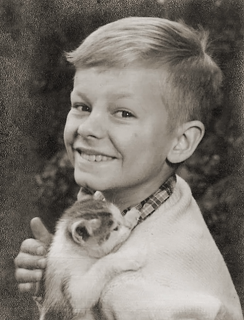
REVIEW of WEERKLANK VAN ‘N WANKLANK (THE ECHO OF A NOISE) in OUDTSHOORN — MARCH 2017
UYS EXPOSES THE NAKED TRUTH
– Willem Bester, Krit, (KKNK Festival, Oudtshoorn), 14 April 2017
A famous author would do it in an autobiography, an actor more likely in a tearful television interview. And a politician usually with the help of a ghost writer. How fitting that Pieter-Dirk Uys — writer, actor, for forty years a thorn in the side of the politicians of yesterday and today; philanthropist, activist, satirist and many more — chose to present this in the spoken word from a stage, his safe haven. In Weerklank van ‘n Wanklank (The Echo of a Noise) he shares his life story — a narrative that begins in Pinelands with the boy soprano voice of Pietertjie Uys who regularly sang at weddings on Saturday afternoons while his father played the organ.
Uys sits, unadorned on a barstool, in the middle of an empty stage. The large space becomes an intimate zone. One is literally sitting at his feet, although it feels more like a visit in his home. He simply tells a story without costume or stage set. His face is alive when he talks and he can’t resist the occasional train noises, or allowing hints of his familiar characters to gatecrash for a moment or two. That Uys is a compelling and dynamic storyteller is no surprise.
What makes it a unique experience is the way he lifts the curtain on his formative years and his family. He shares his parents and his sister, their housekeeper Sannie, the strictness of the church, his drama studies at the University of Cape Town, his years in London and his unexpected friendship with Sophia Loren. Then there is a gradual unleashing of a political awareness, the protest theatre of the Cape Town Space and the Market in Johannesburg and his special relationship with the erstwhile Censorboard.
As expected of an artist known for not only his sharp detail, but also his sometimes brutal humour, the comedy and tragedy are interwoven in sharper relief. Uys shares specifically his first experiences of how humour can emerge from tears. The story of his mother — her heritage and tragic end is a specific example.
His family and their love of music are the two unifying motives throughout the memoire. But it is significant that Uys has decided to anchor his narrative round his relationship with his father — with typical conflicts and alienations, but then again reconciliation and acceptance. This remarkably goes hand in hand with South Africa’s journey towards democracy, which is embraced in Uys’s work on so many levels.
At the end Uys reverts back to the adolescent Pietertjie, who has just been allowed his first long pants and the new freedom to step into an adult life. And what a life it has been till now!